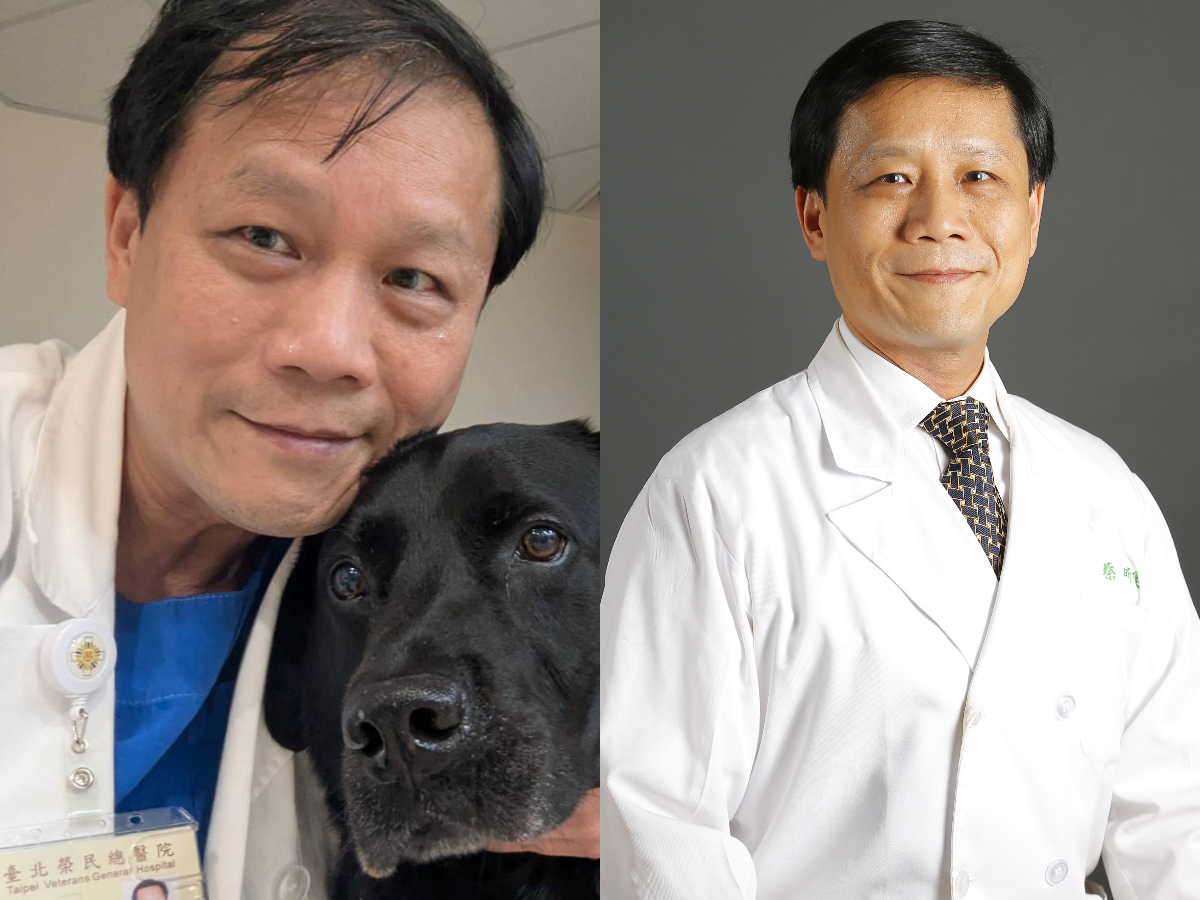
EDITOR Hsin-Lin Tsai, MD. PhD, FACS.|TRANSLATOR Hsin-Lin Tsai, MD. PhD, FACS.|PROOFREADER Annie Chien|PHOTO Hsin-Lin Tsai, MD. PhD, FACS.
在醫院裡,我常遇見這樣的場景:一個原本應該在操場上奔跑的孩子,卻因腎臟疾病被迫待在病房裡。他們的手臂上佈滿穿刺的痕跡,臉孔蒼白卻依然帶著天真的眼神。對醫師而言,這是一場醫療上的戰役;對父母而言,這是心靈上的煎熬。我們共同面對的,是對於未來,是否面臨腎臟衰竭的不確定感。
許多孩子的腎臟病,跟飲食沒有絕對的相關性。然而飲食,這看似日常的選擇,卻能決定一個孩子腎臟的未來。作為醫師,我常說:「真正優雅的生活,不只是餐桌上的視覺美感,而是對健康的長遠投資。」
A Gentle Table for Tender Kidneys
By Dr. Hsin-Lin Tsai, MD, PhD, FACS, Professor of Surgery, Pediatric Transplant Surgeon
In the quiet corners of my hospital, I often meet children whose lives should be filled with playground laughter.Instead, they sit beneath sterile lights, arms marked by needles, eyes still shining with hope. For me, these are battles of medicine. For their mothers and fathers, they are battles of the heart.
We cannot always stop disease. But we can soften its path. And sometimes, the path begins not in the operating room—but at the family table.
孩子的第一堂味覺教育
現代社會,雙薪家庭,上學補習,忙碌與疲憊早已折磨全家大小。週間的外送或便當,週末的外食或犒賞,讓孩子們已經習慣重口味帶來的欣快感。不可勝數的社群軟體影片中,料理加入大量的鹽,醬,與香料,讓食物更「有味道」,螢幕前的我們也看得津津有味。但過量的調味,對腎臟是一種長期的負擔。許多研究顯示,從小攝取高鹽飲食的孩子,長大後罹患高血壓與腎臟病的風險顯著增加。
對孩子來說,真正的味覺教育,是學會欣賞食材的原味。當檸檬皮的清香,番茄的酸甜,南瓜的濃郁能在舌尖被細細體會,就不需要過度依賴鹽分。這不僅是一種健康策略,更是一種生活風格的養成。同時,藉由言語對味覺的表達,更能培養豐富的詞彙,增進親子溝通,無疑得更添了幾分優雅。
The First Lesson in Taste
Children learn flavor the way they learn language. Somewhere between quick lunches, late-night takeout, and the “extra sauce” culture of social media, salt sneaks in like glitter, clinging to everything. Too much salt is a silent weight upon the kidneys. Research tells us what a mother’s instinct already knows: what begins as a craving can end as a lifetime burden.
So let us teach them earlier—to notice the brightness of lemon, the gentle sweetness of tomato, the velvet hush of pumpkin. True elegance lies not in excess, but in the courage to taste food as it is.
喝水是最佳的保養
在手搖飲和汽水氾濫的年代,喝水常常被忽略。但對腎臟而言,水是最天然的守護者。足夠的水分能幫助代謝廢物,減少尿路感染與結石的風險。
需要提醒的是,嬰幼兒在一歲以前,不適合直接大量喝白開水,因為過量的水可能影響電解質平衡,甚至造成水中毒。這個年齡的水分來源應以母乳或配方奶為主;隨著孩子逐漸長大,再引導他們養成適量喝水的習慣,才是安全的做法。同時,喝水與「排水」必須並行。許多孩子因為專心玩樂或在學校不好意思提出要上廁所的需求,常常養成憋尿的惡習。日積月累不僅可能引發泌尿道感染,也會讓腎臟承受額外壓力。提醒孩子勤上廁所不憋尿,其實與教導正確喝水一樣重要。
我常建議父母,為孩子準備一個專屬的水壺隨身攜帶,讓喝水成為日常,也能培養孩子不會丟三落四的責任心。當孩子學會在渴之前就主動喝水,在需要時表達想上廁所,那是一種身體自我對話的開始。與其追求昂貴的保健品,不如讓喝水與如廁,成為終生最實用的習慣。
Water: The Quiet Luxury
Water is the simplest gift, yet the most overlooked. In an age of sodas and sweet teas, plain water feels humble. But to a kidney, it is grace itself. It washes, protects, carries away what the body does not need.
For infants, water must wait. In their first year, milk alone is the safe river that nourishes. Later, we guide them gently— with small sips, with little bottles carried like charms in tiny hands.
And with water comes another lesson: listen when the body whispers. Do not hold back, do not silence the urge to go. Teach children that there is no shame in leaving the game, no embarrassment in raising a hand in class. To drink and to release— this is how the body breathes.
餐桌上的平衡美學
在門診裡,許多母親擔心孩子營養不足,於是拼命增加肉類與高蛋白補充。但事實上,消化過量的蛋白質會增加含氮廢物的產生,直接造成腎臟負擔。特別是對於本身腎臟功能已經脆弱的孩子,可能加速腎功能惡化,可謂適得其反。
「平衡」是最關鍵的原則。植物蛋白與動物蛋白的合理搭配,不僅能滿足成長需求,也讓孩子在餐桌上學會一種新的美學──不是追求大量與精緻,而是達成恰如其分。
Balance at the Table
In my clinic, anxious mothers bring questions wrapped in love. They pile plates with meat, pour powders into cups, believing more protein means more strength. But kidneys labor under that weight. Excess becomes harm.
The secret is not abundance, but balance. The marriage of beans with fish, tofu with chicken, rice with vegetables. Enough to grow, enough to thrive, never too much to break what is still tender.
母親的餐桌哲學
我印象最深刻的一位媽媽,是一個十歲慢性腎臟病女孩的母親。她在醫院裡陪伴女兒時,總是帶著一本筆記,仔細記錄每一次醫師對飲食的建議,然後在家中化為一桌桌創意料理。
她使用原型食物,取代加工食品;她會與孩子一起準備食材,一起烹飪。讓女兒在玩味覺的同時,也感受到母愛的細膩。這樣的餐桌,不僅是營養的補給站,更是一種「療癒」。對孩子而言,每一口食物,都蘊含著母親的守護。
我常說,母親是孩子最初的營養師,也是最重要的生活設計師。她們的堅持,往往決定了一個孩子的成長軌跡。
A Mother’s Philosophy
I remember one woman—her daughter ten, her kidneys fragile. At the hospital she carried a notebook, pages filled with recipes and careful notes. At home, she turned them into meals: homemade sauces in place of packets, bright vegetables shaped into flowers, meals cooked side by side, laughter woven between bites.
Every plate became an act of love. Every spoonful, a promise. To her child, food was no longer restriction, but connection. I often say: a mother is her child’s first nutritionist, her most devoted architect of life.

慢性腎臟病兒童的飲食照護
對於已經確診慢性腎臟病的孩子,飲食需要更精準的規劃:
- 鈉的控制:避免泡麵、洋芋片、香腸等加工食品。
- 鉀的調整:嚴重腎臟病患,需注意高鉀水果(如香蕉、楊桃)的攝取量,避免心律不整風險。
- 磷的限制:含磷的飲料與零食需避免,因為會加重腎臟與骨骼的負擔。
- 蛋白質精準分配:非透析期需避免過量,透析中的孩子則要適度增加,以彌補流失。
這樣的飲食規劃,不僅是醫學上的處方,更是家庭的挑戰。因為父母需要在「營養均衡」與「飲食限制」之間找到平衡。很多時候,這意味著必須改變整個家庭的生活起居。當無所適從時,應該諮詢醫院的醫師與營養師,一定可以得到專屬孩子的營養規劃與建議,並且遵循配合,千萬不可道聽塗說,自亂陣腳。
When Illness Has Already Arrived
For children already carrying the weight of kidney disease, the table becomes medicine:
- Too much salt is the enemy—banish the chips and instant noodles.
- Potassium hides in bananas and starfruit—sometimes even sweetness can be dangerous.
- Phosphorus clings to sodas and snacks—quietly wearing down bones.
- Protein must be measured like poetry: a little less in the early days,
a little more if dialysis becomes their rhythm.
This is not an easy journey. It reshapes the meals of the whole family. But no one need to walk it alone. Doctors and dietitians will guide, so long as parents reach for hands instead of rumors.
從一個病童的笑容,看見教育與醫療的合作力量
我永遠記得一位八歲小病童,他因先天性腎臟病接受腎臟移植。透析的那段日子,他沉默寡言,拒絕參與任何活動。直到移植成功後的某天,在病房的教學角落,他畫下一顆戴著王冠的腎臟,笑得燦爛。
「這是我的新超人!」他說。那一刻,病房裡所有人都笑了。
這個孩子的笑容,讓我再次體會到:醫療不是孤立的。當醫護團隊,學校老師與父母攜手合作,孩子才會在病痛中找到希望。教育賦予孩子心靈的力量,醫療守護孩子生理的健康,而同理心,則是這兩者之間最重要的橋樑。末期腎衰竭必須長期接受透析治療,對於孩子身體與心理的影響,更不是我們成人的邏輯思維所能體會的。與其慌張焦慮,不如勇敢面對,接受正規的醫療與衛教,延緩疾病的進程。
The Smile That Teaches Us All
I remember an eight-year-old boy. Dialysis had kept him tethered, his world small, his voice quiet. After his transplant, he began to bloom. One morning, in the hospital’s little classroom, he drew a picture of a kidney wearing a crown.
“This,” he said with a grin, “is my new superhero.”
That smile was medicine greater than any prescription. It reminded me: healing is not found in surgery alone. It is born where doctors, teachers, and parents meet. Where science and empathy walk hand in hand.
結語:餐桌上的醫學,笑容中的信念
我們無法預測疾病的發生,更無法保證病程的進展,但我們能透過知識與生活,為他們打造一個更友善的環境。
「顧腎保健康」不只是醫學上的口號,而是一種生活哲學──它包含家庭的支持,與親情的陪伴。廚房裡,餐桌上,生活中無一不是滿滿的愛與關懷。當然,還有醫療團隊的守護。
真正的高端餐桌,不只是擺盤精緻,而是每一道菜餚,都有均衡的營養,都有滋潤的元素。當我們懂得把醫學融入日常,把健康融入風格,孩子的笑容,就會成為最動人的風景。
Closing
We cannot predict illness, nor control every turn of its story. But we can choose how we live within it.
To protect the kidney is to embrace a way of life: a table filled with balance, a home filled with tenderness, a childhood filled with dignity.
The truest luxury is not crystal glasses or silver spoons. It is water sipped with ease. It is food cooked with love. It is the laughter of a child, smiling with health.

Curriculum Vitae of
蔡昕霖醫師
Hsin-Lin Tsai, MD, PhD, FACS
現職Present Position:
臺北榮民總醫院外科部兒童外科主任
Division Chief, Division of Pediatric Surgery, Department of Surgery, Taipei Veterans General Hospital
國立陽明交通大學醫學院醫學系外科學科教授
Professor of Surgery, National Yang Ming Chiao Tung University, School of Medicine
美國外科醫學院院士
FACS, Fellow of American College of Surgeons
臺灣小兒外科醫學會理事
Member of Council of Taiwan Association of Pediatric Surgeons
臺灣靜脈暨腸道營養醫學會理事
Member of Council of Taiwan Society for Parenteral and Enteral Nutrition
教育程度Education:
國立陽明大學醫學士
M.D. National Yang-Ming University
國立陽明大學臨床醫學研究所博士
Ph.D. of Institute of Clinical Medicine, School of Medicine, National Yang-Ming University
醫學訓練Hospital Training:
臺北榮民總醫院外科部住院醫師/總醫師/臨床研究員/主治醫師/科主任
Resident / Chief resident/ Research fellow/ Attending physician/ Division chief, Division of Pediatric Surgery and Division of Transplantation Surgery, Department of Surgery, Taipei Veterans General Hospital
英國倫敦帝國大學醫學院外科訪問學者
Visiting Scholar, Department of Surgery, School of Medicine, Imperial College, London, UK
美國邁阿密大學腸胃肝臟移植外科臨床研究員
Visiting Scholar, Department of Surgery, Division of Liver/GI Transplantation, University of Miami, Florida, USA
英國倫敦Great Ormond Street兒童醫院外科部氣管小組訪問學者
Visiting Scholar, Department of Surgery, Trachea Team, Great Ormond Street Hospital for Children, London, UK
器官移植資格 Qualification of Organ Transplantation Practice:
肝臟移植 Liver
腎臟移植 Kidney
小腸移植 Small Intestine
活體肝臟移植資格 Living Donor Liver Transplantation
研究領域Research Interest:
小兒外科,移植與免疫學,幹細胞與再生醫學
Transplantation, Pediatric Surgery, Immunology and Stem Cells
發表迴響