EDITOR Annie Chien|TRANSLATOR Aurora Lin|PHOTOGRAPHER Leon Hung
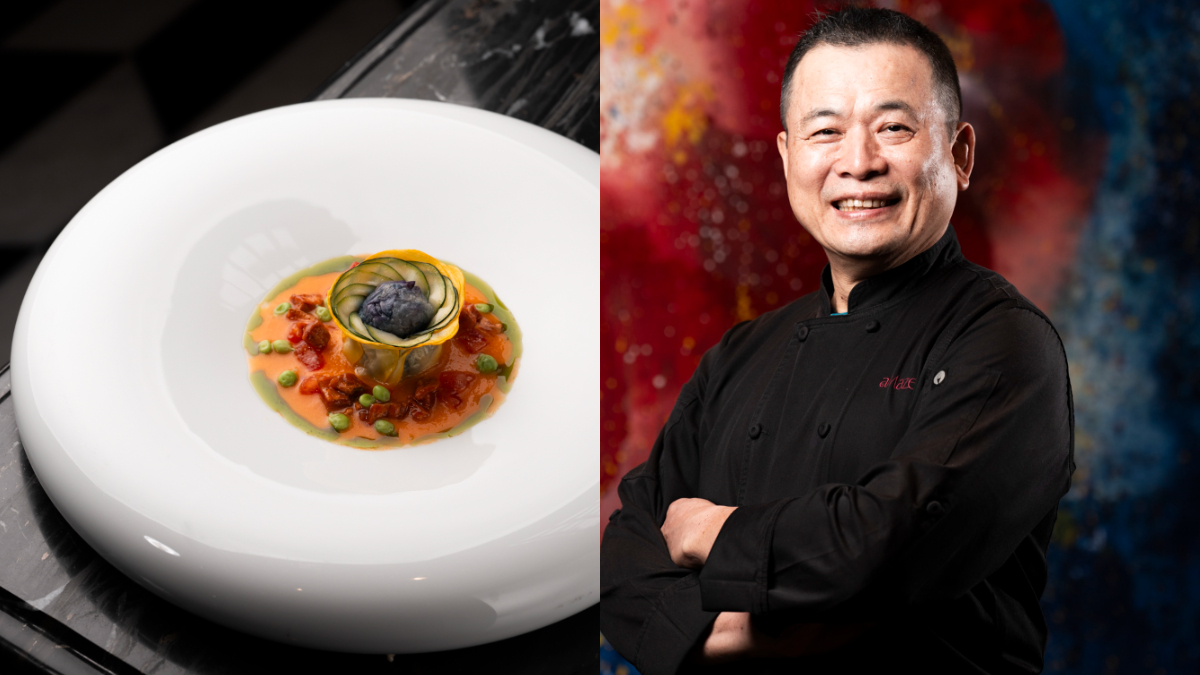
前亞都麗緻飯店「天香樓」主廚楊光宗,以當代精神翻轉中菜風貌。台灣是一座多元文化交融的島嶼,飲食不僅止於溫飽,更是一種文化理解與情感傳遞的方式。在這片美食沃土上,無數融合創意與傳統的料理風格持續發展,米其林名廚、現為「aMaze心宴」總主廚的楊光宗,正是將中菜精神以現代語彙重新詮釋的重要推手,以「有傳統,但無正統」為料理信念,為中式料理開拓全新風貌。
A Taste of Tradition, A Feast of the Heart
Chef Jim Yang of aMaze Dining
Formerly the head chef of Tien Hsiang Lo at The Landis Taipei, Jim Yang reimagines the essence of Chinese cuisine with a contemporary spirit. Taiwan, a vibrant crossroads of cultures, offers more than just nourishment at the table—food becomes a vessel for cultural understanding and emotional connection. On this gastronomic island, countless culinary styles intertwine creativity and tradition. Michelin-acclaimed Chef Jim Yang, now Executive Chef of aMaze Dining, is a driving force in this movement, reshaping Chinese cuisine through the lens of modernity. With a culinary philosophy that embraces “tradition without orthodoxy,” he is expanding the vocabulary of Chinese cuisine in bold, meaningful ways.

心之所向 款宴如歸
「希望來到心宴,有著回到家的溫馨。」楊光宗主廚談起料理理念時如是說。他不拘泥傳統,卻也不否定傳統,而是在古典與創新的交會中,尋找呼吸與平衡的空間。來自恆春的他,以南方人的樸實與熱情,款待每一位來到心宴的賓客——不張揚卻真誠的態度,成為心宴料理最溫柔的底蘊。
心宴亦名「aMaze」,意即「迷宮」,象徵著一場令人驚喜連連的尋味之旅。楊主廚的每一道菜,皆保留傳統的根與魂,同時結合創新烹調方式,讓賓客品味中菜的多樣化,感受料理職人對土地、記憶與時間的溫柔致敬,勾勒出中菜在時代浪潮中的柔韻與深情。
Where the Heart Leads, Hospitality Follows
“My hope is that dining at aMaze feels like coming home,” says Chef Yang with quiet conviction. He doesn’t reject tradition, nor does he submit to it blindly; instead, he seeks a breathing space where classical foundations meet creative innovation. A native of Hengchun in southern Taiwan, Yang brings the warmth and sincerity of his roots to every guest he welcomes—never flamboyant, always heartfelt. This honest spirit forms the gentle undercurrent of the aMaze experience.
The restaurant’s name, “aMaze,” suggests a labyrinthine journey of flavors—one full of surprises and wonder. In each of Chef Yang’s dishes, the ancestral soul of Chinese cooking remains intact, yet is gently reframed through inventive techniques. His work pays tribute to memory, to place, to time—drawing an emotional map of Chinese cuisine that is intimate, graceful, and alive with feeling.

風雅古意 老菜新韻
2025年春季,aMaze心宴推出以「古意」為題的菜單,是一場融合、傳承與創造交織而成的味覺旅程。楊主廚提到:「杭州人常講『雅』,這份菜單裡有許多老菜,沒有豔麗的外表,呈現的是內斂、素雅的秀氣。」
其中一道〈茄鯗|番茄〉靈感來自《紅樓夢》對茄鯗的描寫,運用蘇浙地區曬乾茄子的技法,融合番茄與櫛瓜等西式食材,豐富的層次彷彿《料理鼠王》中那道讓評論家潸然落淚的普羅旺斯燉菜,是對「古意」最具當代表達的回應。

另一道靈魂菜色〈鴨卵|萊菔〉,則是不少老饕指名必點、不可下架的經典。楊主廚以冷泡溏心燻鴨蛋為基底,搭配客家珍珠脯與陳年菜脯,並取「萊菔」一詞自宋代古語,寓意「來福」。一道料理、一份創意,盡顯古意中菜的層層意境與祝福。
Timeless Aesthetics, Contemporary Expressions
This spring, aMaze launches a new seasonal menu under the theme “The Beauty of Antiquity”—a sensory journey shaped by fusion, legacy, and reinterpretation. “In Hangzhou, people speak often of 雅 (grace),” says Chef Yang. “Many of these dishes are humble in appearance, yet they carry a quiet, refined elegance.”
Take for example the 〈Preserved Eggplant | Tomato〉, inspired by a passage in Dream of the Red Chamber that describes a delicacy called “qiéxiāng.” Using traditional Suzhou-Zhejiang techniques to sun-dry eggplant, Chef Yang brings in Western ingredients like tomato and zucchini to create a rich tapestry of flavor. The result is evocative of the layered Provençal ratatouille in the film Ratatouille—a dish that moves the diner not only through taste but also memory. It is a modern response to the ancient, a contemporary echo of “antiquity.”
Another signature dish, 〈Smoked Duck Egg | Preserved Radish〉, has earned a devoted following. A cold-steeped, soft-centered smoked duck egg anchors the dish, accompanied by Hakka-style cured pork and aged radish. “Láifú” (萊菔), an elegant archaic name for radish originating from Song dynasty literature, phonetically mirrors the phrase “coming fortune” in Chinese—an understated blessing delicately folded into the layers of flavor. With its thoughtful cultural references and graceful execution, the dish becomes more than nourishment—it becomes a quiet invocation of joy and prosperity.

時間煉味 人生入菜
楊主廚的料理旅程並非一帆風順,他坦言,20多歲時曾做過燒臘、賣泡沫紅茶、開卡車、從事貿易……那段迷惘的歲月,成為人生最重要的養分。「懷抱帶著東西走,不要空著手的心態,那時內心五味雜陳,但也因為這些歷練,讓我更懂珍惜。」直到進入亞都麗緻飯店,開始在中餐廚房裡打拼,雖然起薪微薄,卻感受到前所未有的踏實與安定。

他相信,料理的價值來自時間的淬鍊。如〈乾鮑|魚丸〉這道菜,將粵菜的乾鮑工藝與江浙風味融合,18天耗時製成的乾鮑,搭配羊肚菌魚丸與濃郁鮑汁,不只令人驚艷,更是技藝的傳承與創新。「我常說,所有烹調都離不開物理與化學。」楊光宗強調原理性學習的重要,對於新一代學徒,也採因人而異、因地制宜的方式傳承,希望他們在穩固技藝的同時,也能勇敢挑戰中菜的可能性。
Time, Transformed into Flavor
Chef Yang’s culinary path was far from linear. In his twenties, he explored many trades—barbecuing meats, running a bubble tea stand, driving delivery trucks, dabbling in import-export. “I always told myself: don’t walk away empty-handed,” he recalls. “Those years were filled with uncertainty, but they shaped who I am. I learned to treasure the present.”
Everything changed when he joined The Landis Taipei and began working in the Chinese kitchen. Though the pay was modest, he felt, for the first time, a sense of purpose and peace. From that foundation, he developed a respect for the long arc of time in cooking.
In dishes like 〈Dried Abalone | Fish Ball〉, time becomes the main ingredient. He merges the meticulous techniques of Cantonese dried abalone with the earthy richness of Jiang-Zhe flavors. The abalone itself takes 18 days to prepare; paired with morel-stuffed fish balls and a deeply savory abalone reduction, the result is stunning in both flavor and craftsmanship. “Cooking is all physics and chemistry,” Chef Yang notes. He values principled learning and tailors his mentorship accordingly, guiding younger chefs to master their craft while remaining unafraid to reinvent tradition.

返璞歸真 世代傳承
談起中菜的未來,他樂觀地表示,中餐將與西餐一同走向「兩極化」的發展——一方面精緻化,另一方面則更親民、大眾:「根扎得穩,在台灣這個美食大熔爐,創新就有路,心才會實在。」楊主廚爽朗的笑聲,交織古意與創新的佳餚,傳遞著一種不遙遠、不艱澀的中式美感。傳統不是遙不可及的歷史寶藏,而是一種可以被體會、被傳承的精神,是人、時代與情感之間的深刻對話與延續。
Returning to Roots, Moving Through Time
Looking ahead, Chef Yang sees Chinese cuisine evolving along two paths—refined and elevated on one end, approachable and heartfelt on the other. “So long as the roots run deep,” he says, “there will always be a path for innovation. That’s how we stay grounded.”
His hearty laughter reflects the same spirit that runs through his food: a harmony of history and imagination. To him, tradition isn’t an untouchable relic; it’s a living conversation between generations. It is something to be experienced, preserved, and reinterpreted—a thread connecting people, time, and memory, one dish at a time.
發佈留言