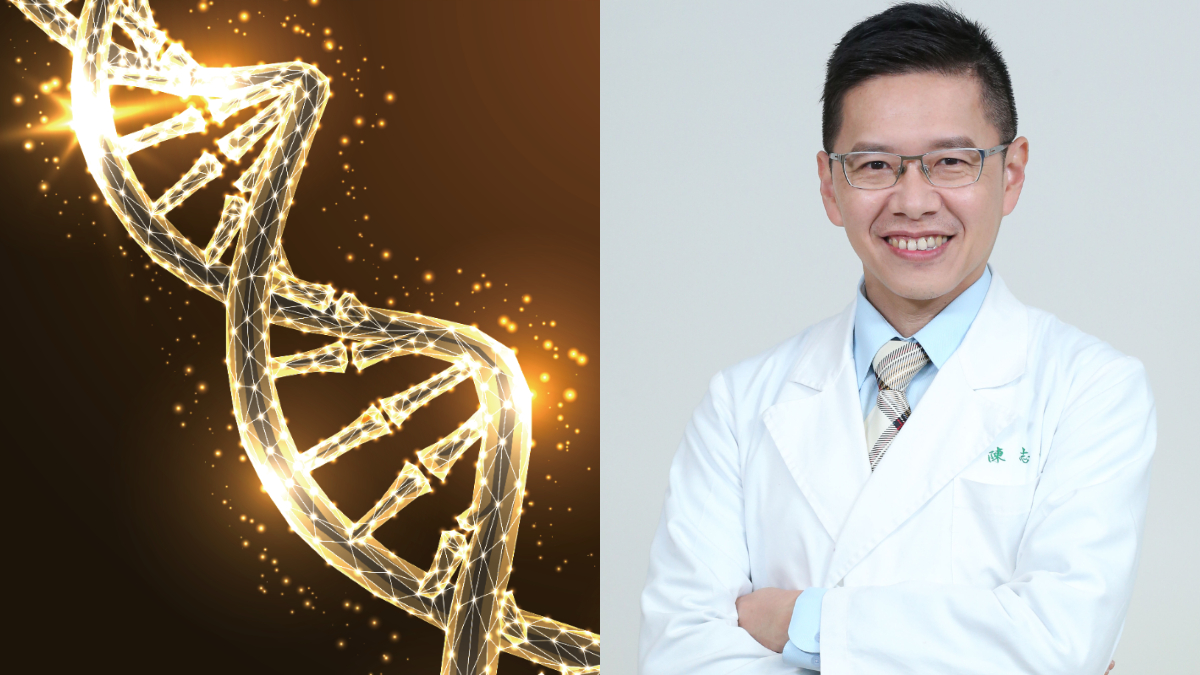
EDITOR Chih-Chiang Chen|TRANSLATOR Chih-Chiang Chen|PHOTO Chih-Chiang Chen
在過去十年內,「外泌體」(exosome)這個名詞開始頻繁地出現在科學文獻、生技產業,甚至保養品廣告中。許多人對這個詞既熟悉又陌生,它似乎與幹細胞、再生醫學、癌症治療甚至抗老化都有關聯。但究竟什麼是外泌體?它為什麼在醫療與保養領域中備受關注?對人體健康又會帶來什麼樣的影響?本文將帶您從基礎概念出發,認識外泌體如何從細胞的溝通工具,進一步成為影響健康與美的潛力新星。
The Secret Life of Exosomes: From Cellular Messengers to the Future of Health and Beauty
Over the past decade, the term “exosome” has increasingly appeared in scientific literature, the biotech industry, and even skincare advertisements. Many people find the term both familiar and mysterious—it seems to be linked to stem cells, regenerative medicine, cancer therapy, and even anti-aging. But what exactly are exosomes? Why are they garnering so much attention in the medical and beauty fields? And how do they impact human health? This article will guide you through the fundamentals of exosomes, exploring how these tiny messengers have evolved from simple tools of cellular communication into rising stars in the world of health and beauty.
ㄧ、外泌體是什麼?細胞間溝通的神秘信使
外泌體是一種由細胞分泌出的奈米級小囊泡,大小大約在30至150奈米之間,看起來像是細胞製造的小「快遞包裹」。它的膜包裹著多種生物活性物質,如蛋白質、脂質、mRNA、miRNA與DNA片段,並能被其他細胞吸收,用來調節接受細胞的行為。
簡單來說,外泌體就像是細胞之間的「通訊小包裹」,可以在沒有直接接觸的情況下傳遞訊息。舉例來說,當身體發炎時,免疫細胞會釋放含有促發炎因子的外泌體,提醒其他細胞進行免疫反應;而在組織受傷後,某些幹細胞釋放的外泌體則可能促進修復過程,幫助細胞再生。
與傳統認為細胞只能透過激素或受體交互作用來溝通的觀念相比,外泌體提供了一個更快速、立體、多元的訊息傳遞方式。因此,科學家開始重新審視它在許多疾病與生理過程中的核心角色。
What Are Exosomes? The Mysterious Messengers of Intercellular Communication
Exosomes are nano-sized vesicles secreted by cells, ranging from 30 to 150 nanometers in diameter. Think of them as tiny “delivery packages” manufactured by cells. These vesicles are enclosed by a lipid bilayer membrane and contain a variety of biologically active substances—proteins, lipids, mRNA, miRNA, and DNA fragments—which can be absorbed by other cells to influence their behavior.
Simply put, exosomes are like cellular “message packets,” allowing cells to communicate without direct contact. For example, during inflammation, immune cells release exosomes containing pro-inflammatory factors that signal other cells to initiate an immune response. Conversely, after tissue injury, stem cells may secrete exosomes that promote repair and regeneration.
Compared to the traditional understanding that cells communicate mainly via hormones or receptor-ligand interactions, exosomes offer a faster, more dynamic, and multidimensional communication method. As a result, scientists are now reevaluating the crucial role exosomes play in many physiological and pathological processes.
二、外泌體如何影響人體健康?從免疫調控到組織再生
外泌體在人體健康中扮演著關鍵角色,其功能不只限於傳遞訊息,還能實質調節免疫系統與修復受損組織。
免疫系統的「微調器」
外泌體在免疫反應中具有雙重角色。一方面,它們可以促進免疫活性,例如來自樹突細胞或癌細胞的外泌體可傳遞抗原資訊給T細胞,啟動免疫反應。另一方面,某些幹細胞來源的外泌體則具有免疫抑制作用,能夠降低發炎反應,對於自體免疫疾病、慢性發炎或移植物排斥等情況可能帶來療效。舉例來說,近年有研究顯示,來自間質幹細胞的外泌體可減少類風濕性關節炎或潰瘍性結腸炎患者體內的發炎指標,提供一種無需移植細胞的替代性免疫調節策略。
組織修復與再生的推手
外泌體在再生醫學領域的應用也愈來愈受到矚目。以心肌梗塞為例,幹細胞雖然曾被寄予厚望,但實際移植的細胞往往存活率不高。研究發現,幹細胞釋放的外泌體反而可能才是促進組織修復的關鍵。這些外泌體可透過傳遞抗凋亡分子、刺激血管新生與細胞增殖,間接改善心臟功能。在皮膚創傷、骨折修復、肝臟再生等領域,外泌體同樣展現出令人振奮的潛力。相較於活細胞治療,外泌體具有無細胞、低免疫原性、容易儲存與標準化生產的優勢,未來有望成為再生醫療的新寵。
How Do Exosomes Impact Human Health? From Immune Modulation to Tissue Regeneration
Exosomes play a critical role in maintaining human health. Their function goes beyond simple message delivery—they can actively modulate immune responses and facilitate tissue repair.
Fine-Tuners of the Immune System
Exosomes exhibit a dual role in the immune system. On one hand, they can enhance immune activity—for example, exosomes from dendritic cells or cancer cells may carry antigens that activate T cells and initiate immune responses. On the other hand, certain stem cell-derived exosomes have immunosuppressive properties, capable of dampening inflammatory reactions. This makes them potentially effective in treating autoimmune diseases, chronic inflammation, or graft rejection.
For instance, recent studies have shown that exosomes from mesenchymal stem cells can reduce inflammatory markers in patients with rheumatoid arthritis or ulcerative colitis, offering a cell-free alternative for immune regulation.
Catalysts for Tissue Repair and Regeneration
The role of exosomes in regenerative medicine is also gaining increasing attention. In the case of myocardial infarction (heart attack), while stem cell transplants have shown promise, their survival rate post-transplant is often low. Surprisingly, it is the exosomes released by these stem cells that may be the real agents of tissue repair. These exosomes can deliver anti-apoptotic molecules, stimulate angiogenesis (new blood vessel formation), and promote cell proliferation—indirectly improving heart function.
Exosomes have also shown great potential in skin wound healing, bone repair, and liver regeneration. Compared to live-cell therapy, exosomes offer several advantages: they are cell-free, have low immunogenicity, are easier to store, and can be standardized for production—making them strong candidates for next-generation regenerative treatments.
三、外泌體在生技或保養領域中扮演什麼角色?
在醫學研究熱烈探討外泌體之際,生技與保養品產業也早已嗅到其潛在價值。外泌體因其來源多樣(可來自幹細胞、脂肪細胞、甚至植物細胞),而且具備跨細胞傳訊功能,成為眾多保養品品牌主打的「高科技成分」。
目前市面上最常見的外泌體保養品,通常宣稱能夠促進膠原蛋白生成、加速傷口癒合、改善肌膚老化跡象等。這些產品的基礎理論來自實驗研究發現:間質幹細胞(如脂肪幹細胞或臍帶間質幹細胞)所釋放的外泌體,含有豐富的生長因子與抗發炎分子,能夠刺激皮膚細胞增生、改善微血管循環,並具有抗氧化與修復能力。
此外,外泌體也逐漸應用於醫學美容療程中,例如搭配微針、雷射、或PRP療法,進一步強化療效。然而,雖然這些應用看似前景可期,但也需提醒消費者,目前多數相關產品尚缺乏大規模臨床試驗證實長期效果與安全性,因此在選購時應審慎評估來源與製程。
What Role Do Exosomes Play in the Biotech and Skincare Industries?
While the medical field is actively investigating exosomes, the biotech and skincare industries have already sensed their commercial potential. Because exosomes can be derived from a wide variety of sources—including stem cells, adipose cells, and even plant cells—and because they possess the ability to transmit information across cells, they have become a popular “high-tech” ingredient in many skincare brands.
Currently, the most common exosome-based skincare products claim to stimulate collagen production, accelerate wound healing, and reduce visible signs of skin aging. These claims are grounded in experimental research showing that exosomes from mesenchymal stem cells (such as adipose or umbilical cord-derived MSCs) contain abundant growth factors and anti-inflammatory molecules. These components can stimulate skin cell proliferation, improve microvascular circulation, and offer antioxidant and reparative effects.
Moreover, exosomes are increasingly being incorporated into medical aesthetic procedures, such as microneedling, laser treatments, or PRP therapy, to enhance outcomes. However, despite their promising potential, it’s important to remind consumers that most of these products still lack large-scale clinical trials to validate long-term efficacy and safety. Therefore, caution is advised when evaluating the source and manufacturing process of such products.
文章最後,有來自乳癌權威,臺北榮民總醫院曾令民副院長的溫馨提點:
外泌體(exosomes)在生物醫學領域展現出極大的應用潛力,特別是在疾病診斷、藥物遞送以及再生醫學等方面。然而,其臨床應用仍面臨多項挑戰與限制,主要包括以下幾個層面:
分離與純化困難
外泌體與其他細胞外囊泡在物理與化學特性上相似,導致純化過程複雜,且目前尚無一致且高效率的方法可供臨床大規模應用。
異質性高
即使來自同一類型細胞,所分泌的外泌體在RNA、蛋白質等內含物的組成上可能仍有高度變異。這種異質性會影響其診斷或治療應用中的穩定性與可重現性。
作用機制尚未完全明瞭
外泌體的生物合成、分泌路徑與靶向機制仍待深入釐清。缺乏完整的機制了解,限制了其安全性評估與臨床應用的發展。
潛在的免疫反應與安全性問題
來自異種細胞或腫瘤細胞的外泌體可能引發免疫反應,甚至可能促進癌症的轉移。這些風險尚需更多研究證據以釐清其安全性。
產量有限
外泌體的天然產量極低。每個細胞釋放的外泌體數量有限,而臨床治療所需劑量極大,不僅提高生產成本,也拉長製備時間,成為實際應用上的瓶頸。
缺乏標準化規範
外泌體相關的生產、檢測與應用尚無統一標準,臨床試驗規模受限,需耗費大量時間與資源,進一步延宕外泌體療法的臨床普及。
At the end of the article, there is a heartfelt reminder from Dr. Ling-Min Tseng, Deputy Superintendent of Taipei Veterans General Hospital and a renowned expert in breast cancer:
Exosomes have demonstrated significant potential in the field of biomedicine, particularly in disease diagnosis, drug delivery, and regenerative medicine. However, their clinical application still faces several challenges and limitations, including the following aspects:
Difficulties in Isolation and Purification
Exosomes share similar physical and chemical properties with other extracellular vesicles, making the purification process complex. Currently, there is no standardized, high-efficiency method suitable for large-scale clinical applications.
High Heterogeneity
Even exosomes derived from the same type of cells can vary significantly in their RNA, protein, and other contents. This heterogeneity can compromise their stability and consistency in diagnostic or therapeutic applications.
Incomplete Understanding of Mechanisms
The biogenesis, release, and targeting mechanisms of exosomes are not yet fully understood. This lack of mechanistic clarity limits safety evaluations and hinders clinical development.
Potential Immune Reactions and Safety Concerns
Exosomes derived from xenogeneic or tumor cells may trigger immune responses or even promote cancer metastasis. These potential risks require further investigation to assess their safety.
Limited Yield
The natural yield of exosomes is very low. Each cell releases only a limited number of exosomes, whereas clinical applications often require large quantities. This leads to high production costs and extended preparation times, posing a major bottleneck in practical use.
Lack of Standardization
There are currently no unified standards for the production, testing, and clinical application of exosomes. Clinical trials remain limited in scale and require significant time and resources, further delaying the widespread adoption of exosome-based therapies.
綜合而言,外泌體確實為未來醫療技術帶來創新契機,但「健康無價」,任何宣稱具有醫療功效的產品,在上市前皆必須通過嚴格的法規審查與臨床試驗,以確保安全性與有效性。目前市面上許多以美容或非醫療級用途為名的外泌體產品,尚缺乏完善的監管機制與臨床佐證,其療效與風險皆未明朗。
目前外泌體研究多仍處於前臨床或早期臨床階段,缺乏長期追蹤資料與大型人體試驗。在科學證據尚不充足的情況下,貿然將外泌體應用於人體,實質上等同於讓自己成為尚未驗證療法的試驗對象。雖然可能提早取得潛在的治療利益,但同時也伴隨尚未明確揭示的風險。
In summary, while exosomes hold great promise for the future of medical technology, “health is priceless,” and any product claiming therapeutic benefits must undergo rigorous regulatory review and clinical testing before entering the market to ensure its safety and efficacy. At present, many exosome-based products marketed for cosmetic or non-medical purposes lack adequate regulatory oversight and clinical validation, with unclear efficacy and safety profiles.
Most current exosome research remains in the preclinical or early clinical stages, lacking long-term data and large-scale human trials. Without sufficient scientific evidence, applying exosomes to human use prematurely is, in essence, making oneself a test subject for an unproven therapy. While this may offer early access to potential benefits, it also comes with uncertain and possibly significant risks.

陳志強簡歷
學歷
-國立陽明大學醫學士
-國立陽明大學臨床醫學研究所博士
現職
-台北榮民總醫院皮膚部主任
-國立陽明交通大學皮膚學科主任
-社團法人台灣皮膚科醫學會理事
-社團法人台灣皮膚科技教育學會常務理事
-社團法人台灣檢驗及品保學會理事
-社團法人台灣乾癬暨皮膚免疫學會理事
Curriculum vitae
Name
Chih-Chiang Chen (陳志強)
Education
-M.D., National Yang-Ming University, Taipei, Taiwan
-Ph.D., National Yang-Ming University, Taipei, Taiwan
Present Position
-Chairman, Department of Dermatology, Taipei Veterans General Hospital
-Associate professor, Department of Dermatology, National Yang Ming Chiao Tung University, Taipei, Taiwan
發表迴響