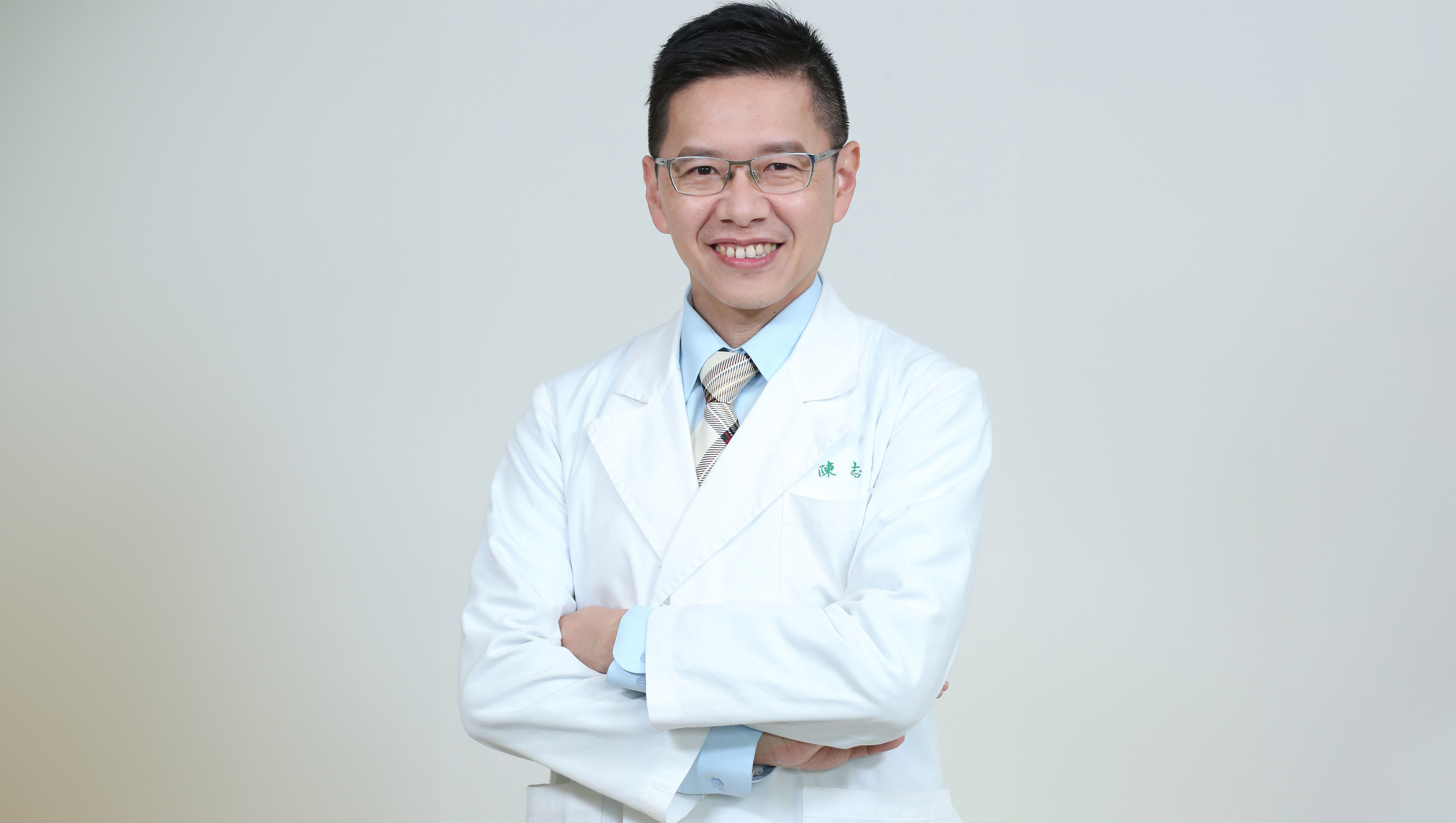
EDITOR Chih-Chiang Chen|TRANSLATOR Chih-Chiang Chen|PROOFREADER Annie Chien|PHOTO Chih-Chiang Chen
近年來,「外泌體」(exosome)這個詞迅速從學術研究的專業語彙,走入醫美廣告、保養品行銷與臨床治療的討論核心。許多美容療程、抗老產品甚至再生醫學技術,都紛紛掛上了「外泌體」的標籤。這股風潮並非空穴來風,而是來自於對外泌體在細胞間溝通、免疫調控、組織修復及腫瘤行為中所展現潛力的廣泛研究。本文將從三個面向,解析外泌體在皮膚醫學與癌症領域的應用與前景。
The Exosome Wave and the Dermatology Revolution: New Opportunities from Anti-Aging and Repair to Cancer Surveillance
In recent years, the term “exosome” has quickly evolved from academic jargon to a buzzword in aesthetic medicine advertisements, skincare marketing, and clinical treatment discussions. Many beauty treatments, anti-aging products, and regenerative medical technologies now carry the “exosome” label. This growing trend is far from hype—it is grounded in extensive research highlighting the potential of exosomes in cellular communication, immune modulation, tissue repair, and tumor behavior. This article explores the emerging roles and future prospects of exosomes in dermatology and oncology from three perspectives.
一、外泌體與皮膚醫學:從抗老化到創傷修復的潛力
皮膚作為人體最大的器官,不僅是保護外界侵害的第一道防線,更直接反映健康與年齡狀態。外泌體在皮膚醫學的應用,主要聚焦於抗老化與傷口癒合兩大方向。
✦ 抗老化的新希望
隨著年齡增長,皮膚中的膠原蛋白與彈性蛋白逐漸流失,真皮層結構鬆弛、表皮更新減慢,進而產生皺紋、乾燥與鬆弛等老化現象。研究指出,來自間質幹細胞(尤其是脂肪幹細胞與臍帶幹細胞)的外泌體中含有多種促進細胞增生與抗氧化的分子,例如TGF-β、VEGF與miRNA,可以刺激真皮纖維母細胞產生更多膠原蛋白,促進皮膚更新與修復。外泌體因體積微小、穿透性高,能有效通過皮膚屏障,因此被廣泛應用於高階保養品與皮膚療程中。搭配如微針、雷射或高頻超音波等導入技術,有望強化其滲透力與效果。消費者日益重視「無針、無細胞」的安全與效率,外泌體提供了一種兼具低免疫原性與高生物活性的解方。
✦ 創傷修復的關鍵角色
外泌體在組織修復中的角色也越來越受到重視。傷口癒合是一個複雜的過程,涉及炎症反應、細胞遷移、血管新生與組織重建。研究顯示,外泌體能調控巨噬細胞的極化(M1轉M2)、加速血管新生,並促進角質形成細胞與纖維母細胞的遷移與增生,從而加速傷口癒合。特別是在糖尿病性潰瘍、放射線皮膚損傷、慢性傷口等難癒合情況下,幹細胞衍生外泌體已在動物實驗與初步臨床研究中展現顯著修復成效,未來有望成為一種無細胞、可標準化的創新療法。
Exosomes in Dermatology: Unlocking the Potential for Anti-Aging and Wound Repair
As the body’s largest organ, the skin not only serves as the first line of defense against environmental threats but also reflects a person’s overall health and age. In dermatology, exosome applications mainly focus on two fronts: anti-aging and wound healing.
✦ A New Hope for Anti-Aging
With aging, the skin gradually loses collagen and elastin, resulting in dermal thinning, slower epidermal turnover, and visible signs like wrinkles, dryness, and sagging. Studies have shown that mesenchymal stem cell (MSC)-derived exosomes—particularly from adipose and umbilical cord sources—contain molecules such as TGF-β, VEGF, and specific miRNAs, which promote fibroblast activity, boost collagen synthesis, and stimulate skin regeneration.
Because of their nano-scale size and excellent permeability, exosomes can effectively penetrate the skin barrier. They are increasingly used in high-end skincare products and dermatological treatments. Combined with delivery technologies such as microneedling, lasers, or high-frequency ultrasound, exosomes can further enhance skin absorption and efficacy. As consumers increasingly demand “needle-free” and “cell-free” solutions, exosomes offer a low-immunogenic yet highly bioactive alternative.
✦ Key Players in Wound Healing
Exosomes are also gaining recognition for their role in tissue regeneration. Wound healing involves a complex interplay of inflammation, cell migration, angiogenesis, and tissue remodeling. Research indicates that exosomes can regulate macrophage polarization (from M1 to M2), accelerate neovascularization, and promote the migration and proliferation of keratinocytes and fibroblasts, ultimately expediting wound closure.
Especially in hard-to-heal conditions such as diabetic ulcers, radiation-induced skin injuries, and chronic wounds, stem cell-derived exosomes have shown promising results in animal models and early clinical studies. This paves the way for their use as standardizable, cell-free regenerative therapies in the future.

二、癌症與外泌體:腫瘤細胞如何「偷聽」和「操控」環境?
在組織修復與美膚領域的應用,外泌體也是癌症研究的熱門焦點。腫瘤細胞會主動釋放大量外泌體,用來操控周邊環境,這種「無聲訊息戰」讓腫瘤更容易存活、轉移與逃避免疫攻擊。
✦ 外泌體如何協助癌症擴張?
腫瘤細胞的外泌體含有特定的miRNA、蛋白質與脂質,能夠:1. 誘導血管新生:刺激腫瘤附近生成新血管,供應氧氣與養分; 2. 改變免疫環境:抑制T細胞、自然殺手細胞等抗癌免疫反應,使腫瘤逃避免疫監控; 3. 促進轉移前利基(pre-metastatic niche)形成:外泌體可「預告」遠端器官,改變其微環境,使其更適合腫瘤細胞附著與生長。這使得外泌體成為癌症「間諜」與「推銷員」的雙重角色,一方面操控微環境,一方面欺騙免疫系統,讓腫瘤在不被察覺的情況下壯大。
✦ 癌症診斷與追蹤的新工具
外泌體的另一個潛力是成為癌症生物標誌物。由於腫瘤細胞釋放的外泌體具有特異性,其所含的分子能反映癌症的類型與進展階段。近年許多研究致力於發展「液態切片」技術,透過血液、尿液、唾液中的外泌體進行癌症早期診斷與治療追蹤。
Cancer and Exosomes: How Tumor Cells “Eavesdrop” and “Manipulate” Their Environment
Beyond regenerative medicine and skincare, exosomes are also a hot topic in cancer research. Tumor cells actively release large quantities of exosomes to manipulate their surroundings—a form of “silent information warfare” that helps them survive, spread, and evade immune attacks.
✦ How Do Exosomes Aid Tumor Progression?
Exosomes secreted by cancer cells contain specific miRNAs, proteins, and lipids that can: 1. Induce angiogenesis: Stimulate new blood vessel formation around the tumor to ensure a steady supply of oxygen and nutrients; 2. Modulate the immune landscape: Suppress anti-tumor immune responses by inhibiting T cells and natural killer (NK) cells, helping tumors evade immune surveillance; 3. Prepare metastatic niches: Exosomes can precondition distant organs, making them more hospitable for future metastatic growth.
This positions exosomes as both spies and promoters of cancer: manipulating the microenvironment while deceiving the immune system, enabling tumors to thrive undetected.
✦ A New Tool for Cancer Diagnosis and Monitoring
Exosomes also hold promise as biomarkers for cancer detection. Since tumor-derived exosomes carry disease-specific molecular signatures, they reflect the type and stage of cancer. Recent research has focused on developing “liquid biopsy” technologies, where exosomes from blood, urine, or saliva can be analyzed for early diagnosis and real-time treatment monitoring.
三、外泌體成為美容醫學關鍵詞,皮膚科未來的潛在角色?
美容醫學對於外泌體的熱情從未減退,尤其在皮膚科臨床中,外泌體正逐漸從輔助角色轉為治療主角。以下是幾項值得關注的發展方向:
✦ 作為術後修復加速劑
皮膚雷射、微針、電波療程後,外泌體可作為術後修復劑使用,減少紅腫發炎時間,加速角質形成細胞修復並提高療效。
✦ 替代幹細胞療法的「輕量版」
相較於幹細胞注射,外泌體無細胞的特性更易取得、儲存與應用,且具較低的法規門檻。在不需活細胞移植的情況下,仍能達到調節膠原蛋白生成、改善膚況的效果。
✦ 個人化醫療的潛力工具
未來外泌體可望搭配基因分析,為病患提供量身打造的療程設計。例如,從病患自體細胞取得外泌體,用於修復自身皮膚或對抗特定炎症,進一步達成真正的個人化美容醫療。
Exosomes in Aesthetic Medicine: A Rising Star in Dermatology?
The enthusiasm for exosomes in aesthetic medicine continues to grow, and in clinical dermatology, they are gradually shifting from a supportive to a central therapeutic role. Here are a few emerging directions worth watching:
✦ As Accelerators of Post-Treatment Recovery
Following laser therapy, microneedling, or radiofrequency treatments, exosomes can be applied as post-procedure serums to reduce inflammation, shorten recovery time, and enhance keratinocyte repair for better outcomes.
✦ A “Lite” Alternative to Stem Cell Therapy
Compared to stem cell injections, exosomes offer a cell-free solution that is easier to obtain, store, and administer, with fewer regulatory hurdles. They can still stimulate collagen production and improve skin texture without the need for live cell transplantation.
✦ Tools for Personalized Medicine
In the future, exosomes could be integrated into personalized treatment strategies, especially when combined with genetic analysis. For instance, exosomes derived from a patient’s own cells could be used to repair their skin or target specific inflammatory conditions, taking precision aesthetic medicine to a new level.
外泌體正改寫皮膚科與癌症治療的未來
從基本的細胞傳訊角色,到現在在抗老化、創傷修復、癌症診斷與治療中扮演關鍵角色,外泌體的科學應用正在快速擴展。特別是在皮膚科這個與再生、免疫與美感高度交織的領域,外泌體既是突破性的療法素材,也可能是下一代醫療美容的核心技術。
然而,目前外泌體產品與療法仍面臨來源、純化方式與作用機轉等標準化挑戰。要讓這項技術真正從話題走向臨床常規,還需科學界與產業界共同努力。在這個瞬息萬變的醫學與美學交界地帶,外泌體無疑是一顆冉冉升起的明星。而我們,正站在這場細胞間「無聲革命」的最前線。
長期投入癌症治療並參與多項臨床試驗的臺北榮民總醫院副院長曾令民醫師提醒民眾,外泌體(exosomes)是細胞所分泌的小型囊泡,在細胞間傳遞訊息中扮演重要角色,特別在癌症的發展、轉移以及免疫逃逸機制中具有關鍵影響。
如前所述,癌細胞可藉由外泌體促進腫瘤血管新生,甚至破壞血管內皮屏障,進而有助於癌細胞穿透至其他組織、促進腫瘤生長。外泌體亦參與免疫調控與免疫逃逸,可能使癌細胞躲避免疫系統監控,進一步促進腫瘤的生存與擴散,因此並不建議癌症患者使用。
此外,由於外泌體可於血液、尿液、唾液等體液中檢測,且其內含與癌症相關的分子訊息,成為非侵入性癌症診斷與預後的重要研究方向。然而,目前仍屬研究階段,並非所有病患皆適合應用。至於作為治療工具或標靶之應用,仍需更多臨床研究加以驗證。
外泌體亦可能對部分免疫疾病患者造成免疫不穩定或加劇發炎反應,因此亦不建議使用。此外,因其可能攜帶對胚胎或嬰兒有潛在影響的分子,懷孕或哺乳中的女性也應避免使用。曾對生物製劑或幹細胞產品過敏者、有開放性皮膚傷口、活動性感染者,或患有嚴重肝、腎、心功能不全者,皆不建議使用外泌體產品。由於目前尚不清楚外泌體在器官功能異常時的代謝與排除機制,使用可能帶來不可預期的風險。
Conclusion: Exosomes Are Redefining the Future of Dermatology and Cancer Therapy
From humble beginnings as basic cell communicators, exosomes are now central players in anti-aging, wound healing, cancer diagnostics, and therapy. In dermatology—a field where regeneration, immunity, and aesthetics intersect—exosomes represent both a breakthrough therapeutic tool and a potential cornerstone of next-generation aesthetic medicine.
Nonetheless, challenges remain, particularly in terms of standardizing sources, purification methods, and understanding mechanisms of action. To fully realize the clinical potential of exosomes, collaboration between researchers and industry will be essential. At the rapidly evolving frontier of medicine and aesthetics, exosomes have emerged as rising stars, and we now find ourselves at the forefront of this silent cellular revolution.
Dr. Ling-Ming Tseng, Deputy Superintendent of Taipei Veterans General Hospital, who has long been dedicated to cancer treatment and has participated in numerous clinical trials, reminds the public that exosomes—small vesicles secreted by cells—play a critical role in intercellular communication. They are particularly important in cancer progression, metastasis, and immune evasion.
As previously noted, cancer cells can utilize exosomes to promote tumor angiogenesis and even disrupt the endothelial barrier, facilitating the invasion of cancer cells into surrounding tissues and supporting tumor growth. Exosomes also participate in immune modulation and immune escape, allowing cancer cells to evade immune surveillance, thereby further enhancing tumor survival and spread. For these reasons, the use of exosomes is not recommended for cancer patients.
In addition, because exosomes can be detected in bodily fluids such as blood, urine, and saliva—and contain molecular information related to cancer—they have emerged as a promising direction for non-invasive cancer diagnosis and prognosis. However, this remains at the research stage, and such applications may not be suitable for all patients. The potential use of exosomes as therapeutic agents or targets also requires further clinical investigation and validation.
Exosomes may also cause immune instability or exacerbate inflammation in patients with certain autoimmune diseases, and thus are not recommended for use in these individuals. Moreover, due to the possible presence of molecules that could affect fetal or neonatal development, exosome products should be avoided by pregnant or breastfeeding women. Individuals with known allergies to biologics or stem cell-derived products, those with open skin wounds, active infections, or severe dysfunction of major organs (such as the liver, kidneys, or heart) should also refrain from using exosomes. Since the metabolism and clearance of exosomes under conditions of organ dysfunction remain unclear, their use may pose unforeseen risks.

陳志強簡歷
學歷
-國立陽明大學醫學士
-國立陽明大學臨床醫學研究所博士
現職
-台北榮民總醫院皮膚部主任
-國立陽明交通大學皮膚學科主任
-社團法人台灣皮膚科醫學會理事
-社團法人台灣皮膚科技教育學會常務理事
-社團法人台灣檢驗及品保學會理事
-社團法人台灣乾癬暨皮膚免疫學會理事
Curriculum vitae
Name
Chih-Chiang Chen (陳志強)
Education
-M.D., National Yang-Ming University, Taipei, Taiwan
-Ph.D., National Yang-Ming University, Taipei, Taiwan
Present Position
-Chairman, Department of Dermatology, Taipei Veterans General Hospital
-Associate professor, Department of Dermatology, National Yang Ming Chiao Tung University, Taipei, Taiwan
發表迴響