EDITOR Grace Zhang|PHOTO 1380kcim, uiowa, riverboattwilight
在美國中西部腹地,起伏的田野綿延至地平線,小鎮依河而建。交通的意義遠不止於高速鐵路和自動駕駛汽車。它不僅意味著從一個地方到另一個地方,更關乎傳統、文化以及與這片土地的連結。在愛荷華州,交通說著不同的故事。鄉村道路上拖拉機緩緩駛過的隆隆聲,每年夏天在愛荷華州傳統節日(RAGBRAI)期間穿梭於該州的成千上萬輛自行車,以及曾經在密西西比河和密蘇里河上載著乘客和貨物的汽船,都體現了愛荷華州的文化遺產。
在這個州,文化遺產不僅保存在博物館裡,還透過人們出行、聚會和慶祝的方式,融入日常生活中。本文將介紹拖拉機、自行車和船隻如何在愛荷華州的交通系統中扮演獨特的角色。
In the heart of the American Midwest, where rolling fields stretch to the horizon and small towns bloom beside rivers, transportation means something different than high-speed railways and self-driving vehicles. It isn’t just about moving from one place to another; it’s about the tradition, culture, and connection to the land. In Iowa, transportation tells a different story. You see it in the slow rumble of a tractor on a country road, in the thousands of bicycles crossing the state each summer during RAGBRAI, and in the steamboats that once carried people and goods up the Mississippi and Missouri Rivers.
This is a state where heritage isn’t just preserved in museums, it’s lived daily through the ways people travel, gather, and celebrate. Here’s how tractors, bikes, and boats each play a unique role in Iowa’s transportation tapestry.
路上的拖拉機:鄉村現實與文化象徵
Tractors on the Road: A Rural Reality and Cultural Icon
對大多數美國人來說,拖拉機可能只是教科書或鄉村市集的常見物品。但在愛荷華州,它們卻是日常生活的一部分。開車穿過任何一個鄉村,你很可能會看到一位農民駕駛著拖拉機在雙車道公路上平穩行駛,從一片田地駛向另一片田地。你不會鳴笛或催促,而是耐心等待,因為你明白這些機器是愛荷華州農業生活的心臟。
在愛荷華州,拖拉機不僅是勞動工具,更是身分認同的象徵。這個鄉村州的玉米和豬肉產量在全國領先,而農業機械是這項成功的關鍵。但除了生產力之外,拖拉機在愛荷華州的當地文化中也佔有特殊的地位。拖拉機遊行和古董拖拉機展在夏季節日期間很常見,通常會展出幾十年前修復的舊拖拉機,由老少車主自豪地駕駛。
在芒特普萊森特的中西部老脫粒機重聚活動或斯賓塞的克萊縣博覽會等活動中,拖拉機成為焦點。它們在遊行中拉著花車,參加拖拉機拉力賽,甚至作為教育展示品,向年輕一代傳授知識。在某些城鎮,高中畢業生開著拖拉機到學校參加「老年人開拖拉機上學日」——一項鄉村成年儀式——已成為一種傳統。
這種工作與慶祝活動的融合表明,愛荷華州的交通運輸不僅僅是一種功能,它也是自豪感、傳承和社區認同感的來源。
For most of America, tractors are something you might see in a textbook or at a county fair. In Iowa, they’re a part of everyday life. Drive through any rural county and you’re likely to find a farmer on a tractor rolling steadily down a two-lane road, heading from one field to another. You don’t honk or rush, you wait patiently, understanding that these machines are the beating heart of Iowa’s agricultural life.
Tractors are not only tools of work but symbols of identity in Iowa. This countryside state leads the nation in corn and pork production, and farm machinery is central to that success. But beyond productivity, tractors have a special place in Iowa’s local culture. Tractor parades and antique tractor shows are common at summer festivals, often featuring restored models from decades past, proudly driven by owners, young and old.
At events like the Midwest Old Threshers Reunion in Mount Pleasant or the Clay County Fair in Spencer, tractors become stars of the show. They pull floats in parades, compete in tractor pulls, and even serve as educational displays for younger generations. In some towns, it’s a tradition for high school seniors to arrive at school on their tractors for “Senior Drive Your Tractor to School Day,” a rural rite of passage.
This blending of work and celebration shows how transportation in Iowa is more than a function; it’s also a source of pride, legacy, and community identity.

RAGBRAI:自行車騎乘運動
RAGBRAI: The Bicycle Ride That Became a Movement
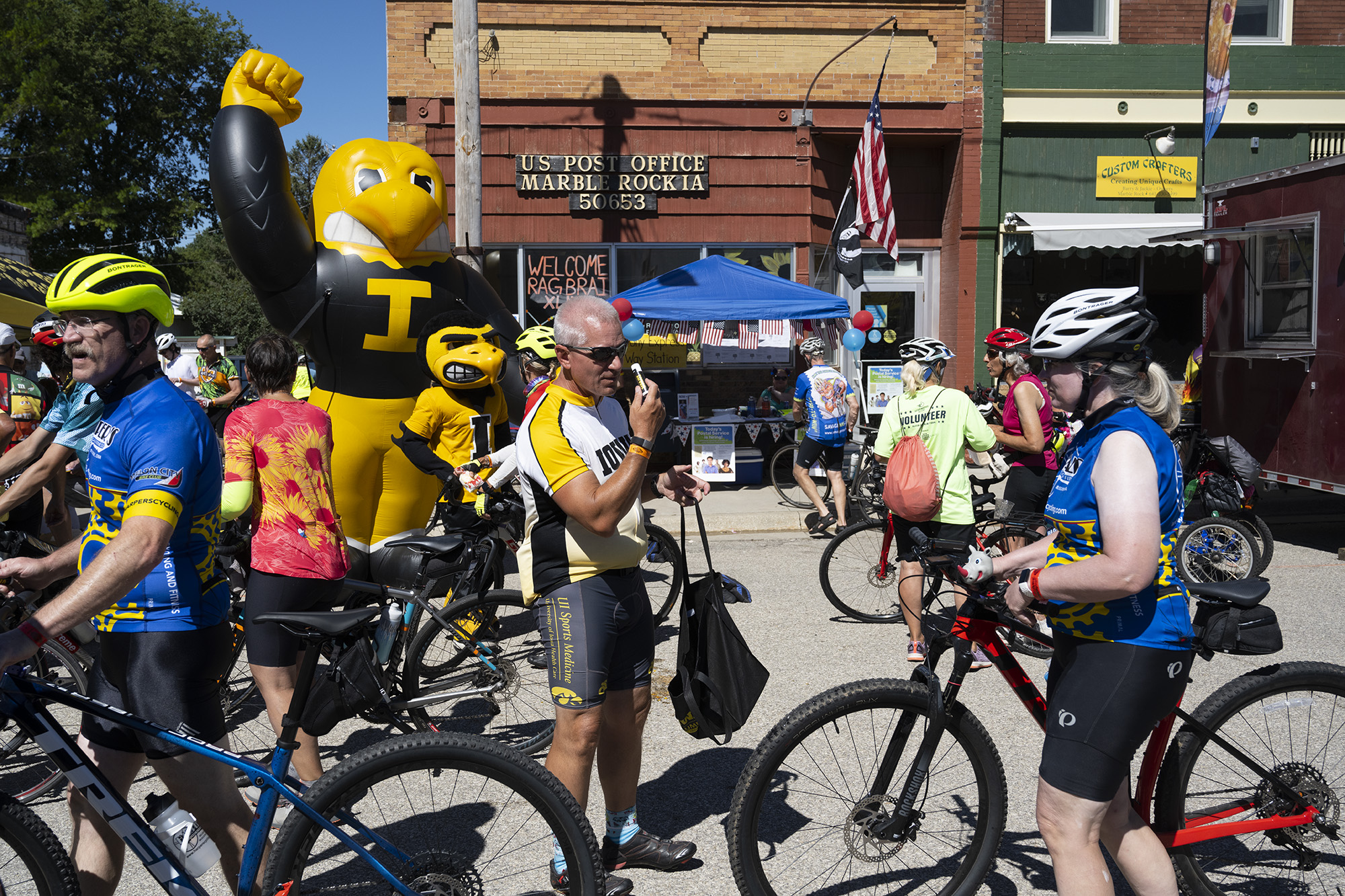
每年七月底,愛荷華州都會舉辦自行車界最精彩的活動之一:RAGBRAI,即《紀事報》年度愛荷華自行車大騎行。這項活動始於1973年,最初是由兩位《得梅因紀事報》記者發起的一場輕鬆挑戰,如今已發展成為一項文化現象,吸引了來自全球各地超過一萬名騎行者。 RAGBRAI 騎行活動為期七天,全程約400至500英里,從愛荷華州西部邊境出發,一直到東部的密西西比河,路線每年都會變化。騎乘者在出發時將後輪浸入密蘇里河,在終點時將前輪浸入密西西比河,這是一段從愛荷華州一端到另一端的象徵性旅程。
但 RAGBRAI 的意義不僅在於騎乘里程,更在於體驗。騎行者會穿過數十個小鎮,每個小鎮都會在一天內變成一個歡慶區。教堂供應義大利麵晚餐,學校體育館變成臨時宿舍,當地音樂家現場演奏著動感的音樂。農民在路邊擺起小吃攤,販售從甜玉米到派的各種食品,孩子們則在路邊擺起檸檬水攤。
這項活動以任何公路都無法比擬的方式展現了愛荷華州的友好精神和美麗景色。連綿起伏的農田、綠樹成蔭的自行車道和迷人的主幹道構成了一幅既充滿挑戰又令人心曠神怡的背景。經常聽到 RAGBRAI 騎行者說,他們來這裡是為了騎行,但是為了這裡的人民。
對愛荷華人來說,RAGBRAI 不僅僅是一次騎行;它是一次回家之旅,一次文化交流,也是對愛荷華州開放道路和開放心靈的慶祝。
At the end of every July, Iowa hosts one of the most extraordinary events in the cycling world: RAGBRAI, or the Register’s Annual Great Bicycle Ride Across Iowa. What began in 1973 as a lighthearted challenge by two Des Moines Register journalists has evolved into a cultural phenomenon that attracts over 10,000 riders from around the globe.
Spanning roughly 400 to 500 miles over seven days, RAGBRAI travels from Iowa’s western border to the Mississippi River in the east, with the route changing annually. Riders dip their rear wheels in the Missouri River to start, and their front wheels in the Mississippi at the end, a symbolic journey from one edge of the state to the other.
But RAGBRAI isn’t just about the mileage. It’s about the experience. Riders pass through dozens of small towns, each of which turns into a celebration zone for a day. Churches serve spaghetti dinners, school gyms become makeshift sleeping quarters, and local musicians fill the air with live music. Farmers set up roadside food stands, offering everything from sweet corn to pie, and kids with lemonade stands line the route.
The event showcases Iowa’s friendly spirit and scenic beauty in a way no highway ever could. Rolling farmland, shady bike trails, and charming main streets provide a backdrop that’s both challenging and heartwarming. It’s not unusual to hear RAGBRAI riders say they’ve come for the bike ride but stayed for the people.
For Iowans, RAGBRAI is more than a ride; it’s a homecoming, a cultural exchange, and a celebration of the state’s open roads and open hearts.

改變一個國家的河流:汽船和河流貿易
Rivers That Moved a State: Steamboats and River Commerce
在州際公路和鐵路出現之前,愛荷華州最重要的交通路線是密西西比河和密蘇里河。這些水道劃定了該州的邊界,並塑造了杜比克、伯靈頓、馬斯卡廷和基奧卡克等城市的早期發展。在19世紀和20世紀初,這些城鎮的河流貿易繁榮昌盛,蒸汽船將人員、牲畜、木材和穀物運送到不斷擴張的邊境地區。密西西比河在連接愛荷華州和美國其他地區方面發揮了至關重要的作用。沿著河港口是通往聖路易斯和新奧爾良市場的門戶。蒸汽船將奢華和商業帶到了這片腹地,而駁船則運輸著中西部經濟的基石:穀物、煤炭和木材。
儘管河流貿易已經發展,駁船仍然在密西西比河上運送著大量的貨物,河流的浪漫氣息仍然在愛荷華州的文化中流傳。遊客仍然可以在杜比克等城鎮享受遊船之旅,或在國家密西西比河博物館和水族館等博物館探索河流運輸的歷史。杜比克美食節和河流節等節日慶祝愛荷華州人與水道之間的持續聯繫。
這些河流不僅標誌著該州的邊界,它們也代表愛荷華州從邊疆到農田、從歷史到現代生活的跨越。
Before interstates and railroads, Iowa’s most vital transportation routes flowed naturally: the Mississippi and Missouri Rivers. These waterways helped define the state’s borders and shaped the early development of cities like Dubuque, Burlington, Muscatine, and Keokuk. In the 19th and early 20th centuries, these towns bustled with river commerce, and steamboats carried people, livestock, timber, and grain to and from the expanding frontier.
The Mississippi River, in particular, played a crucial role in linking Iowa to the rest of the country. Ports along the river served as gateways to markets in St. Louis and New Orleans. Steamboats brought luxury and commerce to the heartland, while barges transported the literal building blocks of the Midwest economy: grain, coal, and lumber.
Although river commerce has evolved, barges still carry massive shipments along the Mississippi, and the romance of the river lives on in Iowa’s culture. Visitors can still enjoy riverboat cruises in towns like Dubuque or explore the history of river transport at museums such as the National Mississippi River Museum & Aquarium. Festivals like Taste of Dubuque and RiverFest celebrate the continuing connection between Iowans and their waterways.
These rivers don’t just mark the edge of the state; they represent Iowa’s flow through time, from frontier to farmland, from history to modern life.

紮根於社區的交通故事
A Transportation Story Rooted in Community
是什麼將公路上的拖拉機、穿越平原的自行車和河上的駁船連結在一起?是社區。在愛荷華州,交通的意義遠不止於從A點到B點,它更是將人們與他們的工作、鄰居、歷史以及這片土地連結起來。
鄉間小路上的拖拉機講述愛荷華州農業的脈動。騎乘者在蜿蜒的玉米田小徑上近距離觀察這片土地,感受它的節奏。密西西比河上的船隻提醒著我們這片土地是如何被探索、貿易和定居的。在每種情況下,交通都與身分認同密不可分。
與大城市的快節奏不同,愛荷華州的節奏截然不同,它沉穩、熱情,根植於優先考慮聯繫而非便利的價值觀。愛荷華州在慶祝過去的同時,也正在騎行、滾動、劃槳,邁向未來。
無論您是在碎石路上與拖拉機擦肩而過,還是在 RAGBRAI 節期間騎車穿越小鎮的節日,亦或是在河上穿梭於石灰岩懸崖之間,愛荷華州的交通都講述著傳統、韌性以及人類深切的聯繫需求。
而在愛荷華州,這種連結始於旅程本身。
What ties together tractors on the road, bicycles crossing the plains, and barges on the river? Community. In Iowa, transportation isn’t just about getting from Point A to Point B. It’s about connecting people to their work, to their neighbors, to their history, and the land.
A tractor on a back road tells the story of Iowa’s agricultural heartbeat. A cyclist on a winding trail through a cornfield sees the land up close, breathing in its rhythm. A boat on the Mississippi reminds us how this land was first explored, traded, and settled. In every case, transportation is inextricably linked to identity.
Unlike the breakneck pace of major cities, Iowa moves to a different rhythm, steady, welcoming, and rooted in values that prioritize connection over convenience. It’s a state that celebrates its past while riding, rolling, and rowing into the future.
Whether you’re passing a tractor on a gravel road, pedaling your way through a small-town festival during RAGBRAI, or cruising past limestone cliffs on the river, transportation in Iowa tells a story of tradition, resilience, and the deep human need to connect.
And in Iowa, that connection starts with the journey itself.
發表迴響