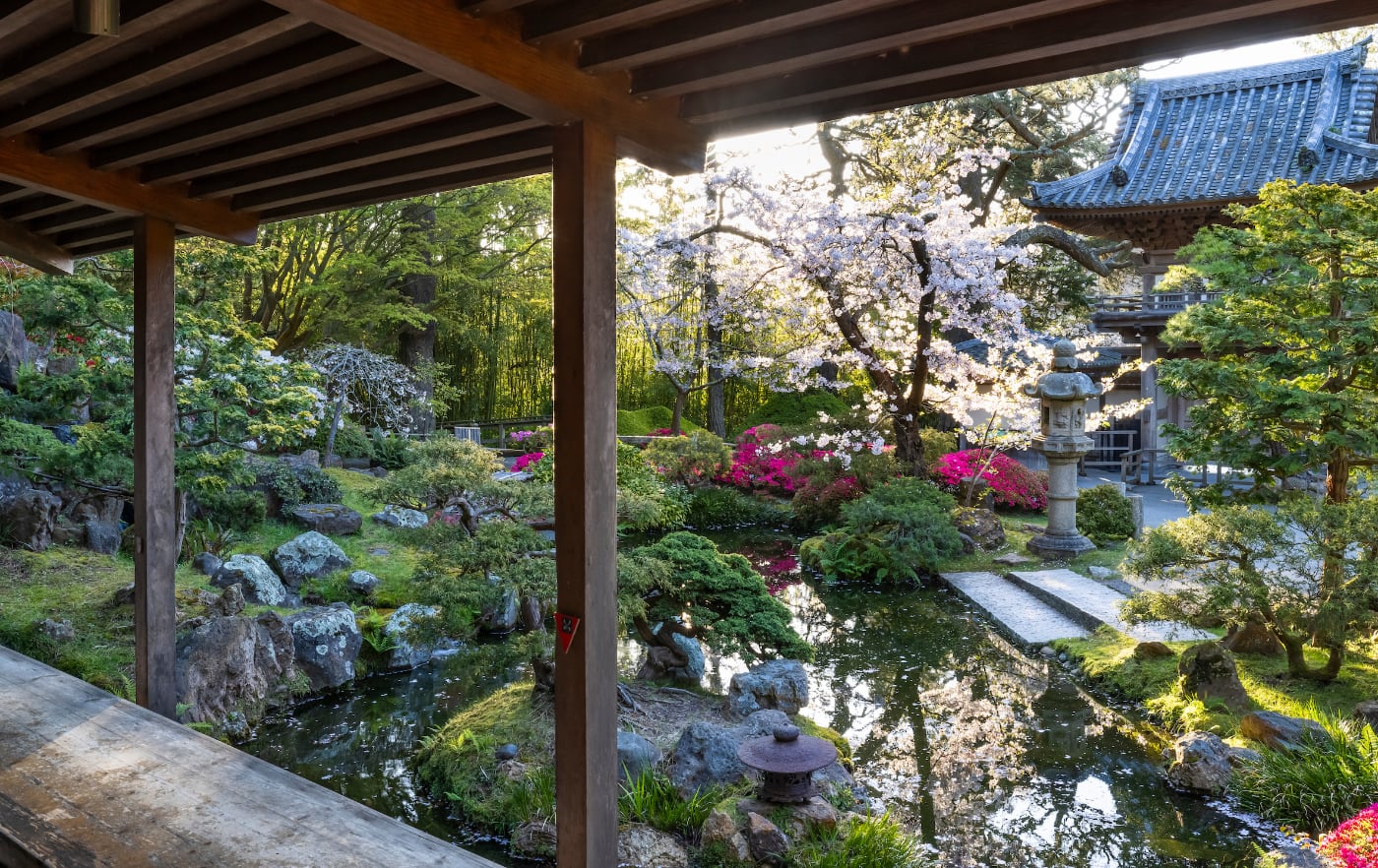
EDITOR Ethan Holtzman|PHOTO Asian Art Museum, Private Tea House in the Sunset
有時奢華就是沉默。
Sometimes luxury is silence.
在這座充斥著纜車和咖啡因的城市裡,靜謐有時是一種必需品,雖然並非唾手可得——但一旦你找到它,它就會改變你。舊金山以創新而聞名,但在它的街道和山丘之間,存在著賦予的並非事實,而是親密感的空間。這是一趟穿越這些神聖空間的旅程──這些空間無需言語便能被傾聽。
這些並非寺廟或旅遊景點。這些是偽裝的庇護所。這些房間能放鬆肩膀,平復呼吸,引領你回歸自我。對於那些守護內心平靜如同守護肌膚般細膩的女性來說,她們認為靜謐是一種存在而非缺失,而是一種必需品。因為終極的奢華往往不是你所擁有的,而是你所保留的空間。
在這個將噪音與現實等同起來的世界裡,這些空間引領著一場徹底的改變:在這裡,寧靜不再尷尬,而是清晰明了。在這裡,存在感優先於生產力。這些房間會記住你遺忘的一切——如何停頓,如何感受,如何簡單地存在。一旦你體驗過,你就會將它帶在身邊。寂靜成為你內心深處的某種東西。就像香水,就像光。
In a city that vibrates with cable cars and caffeine-fueled vibrancy, there are times when silence is a necessity that is not readily available—but once you find it, it will change you. San Francisco is famous for innovation, but between its streets and hills are spaces that give not facts, but intimacy. This is a journey through these sacred spaces—spaces that do not need to speak to be heard.
These are not temples or tourist attractions. These are sanctuaries in disguise. Rooms that release the shoulders, calm the breath, and lead you back to yourself. For the women who guard their peace the same way they guard their skin, who consider silence a presence rather than an absence, these spaces are a necessity. Because the ultimate luxury is often not that which you possess but that which you hold space for.
In a world that equates noise with relevance, these spaces invite a radical shift: a place where stillness is not awkward, but articulate. Where presence takes precedence over productivity. These are rooms that remember what you’ve forgotten—how to pause, how to feel, how to simply be. And once you’ve experienced that, you carry it with you. Silence becomes something you wear inside. Like perfume. Like light.
亞洲藝術博物館內院
Asian Art Museum Inner Courtyard

我們的旅程始於市政中心的核心地帶,亞洲藝術博物館內。在陳列著水墨畫捲和玉雕的展廳之外,是一個陽光與陰影交織的庭院——一片與世隔絕的方石空間,靜謐無聲,時間不再跟隨外面的鐘錶。你步入光線,城市彷彿從身後飄然而去。聲景逐漸收斂,只剩下椅子的刮擦聲,以及鞋子輕柔地拖過石板的聲音。這並非確切的寂靜——而是一種更溫柔的體驗:寧靜被神聖化了。
在這裡,反射變成了空間。長椅邀請你靜坐,無需滾動螢幕。陽光緩緩地灑落在雕塑上,訴說著它自己的故事。這裡並非表演、擺姿勢或記錄的空間。這是一個讓你駐足的地方,讓你的呼吸與空間平靜的幾何形狀和諧統一。高大、溫暖、睿智的牆壁似乎吸收了城市的喧囂,並為你帶來更純淨的感受。
留下的是光。肌膚上的光。思想中的光。這不是你去讓別人看到的地方,而是你去看看自己的地方。
Our journey begins in the heart of the Civic Center, inside the Asian Art Museum. Beyond galleries of ink-brushed scrolls and jade carvings, there lies a courtyard brushed with shadow and sun—a cloistered square of stone and stillness where time no longer follows the outside clock. You step into the light, and the city falls away. The soundscape narrows to the scrape of a chair, the soft shuffle of a shoe across stone. It’s not silence, exactly—but something more tender: quiet made sacred.
Here, reflection becomes spatial. A bench invites you to sit without scrolling. The slow arc of sunlight across a sculpture tells its own story. This is not a place to perform, pose, or document. It is a place to pause. To let your breath align with the calm geometry of the space. The walls, tall and warm and wise, seem to absorb the noise of the city and offer you something cleaner in return.
What remains is light. Light on skin. Light in thought. This isn’t where you go to be seen—it’s where you go to see yourself.
夕陽下的私人茶室
Private Tea House in the Sunset

再往西,隱匿於金門公園霧氣繚繞的懷抱中,坐落著日本茶園寧靜的茶室。障子門緩緩滑開,如同呼吸般緩緩,展現出彷彿未受時間影響的世界。茶室裡,一切都經過精心考量──靜止不動,卻又宛如電影般細膩。空氣中瀰漫著蒸汽,腳下踩著碎石,還有那雙手帶著敬畏之心輕柔地摩擦瓷器發出的叮噹聲。烤米、櫻花和溫暖泥土的芬芳,如同記憶般縈繞在空氣中。
你靜靜地啜飲抹茶——並非因為你無話可說,而是因為這個空間訴說著一切。它用質感訴說:茶杯的重量,茶湯的溫暖,以及透過竹林灑落的靜謐陽光。在這裡,儀式感被剝離了喧囂。石頭。蒸汽。盛開的花朵。而在每個動作之間──都帶著一絲停頓。一種存在。
你會注意到你的手指如何調整握法,蒸氣如何隨著自身的節奏升騰,時間如何融入陶瓷碗的曲線之中。就連你的呼吸也慢了下來,與花園的韻律相得益彰。自我與空間的界線變得模糊。外面的世界——電子郵件、差事、期待——都消失了。
茶本身變成了一面鏡子:靜謐、翠綠、微苦。每一口都要求你放慢腳步,停留片刻,去感受,而非用言語填滿空間。在這份寧靜中,你會記得如何傾聽──不只是聆聽水沸騰的聲音,或是風吹過樹葉的聲音,而是聆聽自己的聲音。
身處此地,並非為了品茶,而是為了成為茶。
Further westward, ensconced in Golden Gate Park’s foggy embrace, lies the Japanese Tea Garden’s serene tea house. Shoji doors slide open, slow as breath, revealing a world that feels untouched by time. Inside, everything is measured—motionless, cinematic. There is steam in the air, gravel beneath your feet, and the soft clinking of porcelain from hands that move with reverence. The scent of roasted rice, sakura, and warm earth lingers in the air like memory.
You sip matcha in silence—not because you have nothing to say, but because this space says it all. It speaks in textures: the weight of the cup, the warmth of the brew, the hush of sunlight through bamboo. Here, ritual is stripped of noise. Stone. Steam. Blooming flowers. And between each gesture—a pause. A presence.
You notice how your fingers adjust their grip, how the steam rises with its own choreography, how time dissolves into the curve of a ceramic bowl. Even your breath slows to match the rhythm of the garden. The boundary between self and space softens. The world outside—emails, errands, expectation—falls away.
The tea itself becomes a mirror: still, green, gently bitter. Each sip asks you to slow down, to stay a little longer, to feel without filling the space with words. In this quiet, you remember how to listen—not just to the water boiling, or to the wind combing through the leaves, but to yourself.
To be here is not to drink tea. It is to become it.
我們該穿什麼來應付這樣的靜謐?如同思緒般飄逸的亞麻長褲。沒有品牌識別的柔軟毛衣。足不出戶的羊絨襪。霧面潤唇膏。無香型乳霜。風格,在這裡,成為一種載體,而非一種宣言。在這些空間裡,你無需喧囂也能被看見。你需要靜謐,才能被理解。這是一個為敏感而設計的衣櫥——每一件單品都如同肌膚之親般輕聲細語,每一款造型的精心挑選並非為了驚艷,而是為了吸引人。
這為何重要?因為在這個喧囂與現實並存的世界裡,選擇安靜是一種激進。營造寧靜是一種奢侈。這些房間──這些庇護所──並非關乎獨處,而是關乎完整。在舊金山,節奏永不停歇,它們提醒我們,最精緻的空間並非最喧鬧,而是讓我們回歸自我的空間。
What do we wear to meet such silence? Linen trousers that move like thought. A soft sweater with no branding. Cashmere socks that never leave the house. Matte lip balm. A scentless cream. Style, here, becomes a vessel—not a statement. In these spaces, you don’t need noise to be seen. You need stillness to be known. It’s a wardrobe designed for sensitivity—each piece a whisper against the skin, each look chosen not to impress but to invite.
Why does this matter? Because in a world where noise equals relevance, choosing quiet is radical. Curating calm is a kind of luxury. These rooms—these sanctuaries—are not about being alone. They are about being whole. And in San Francisco, where the pace never pauses, they remind us that the most exquisite spaces are not the loudest. They are simply the ones that let us return to ourselves.
發佈留言